

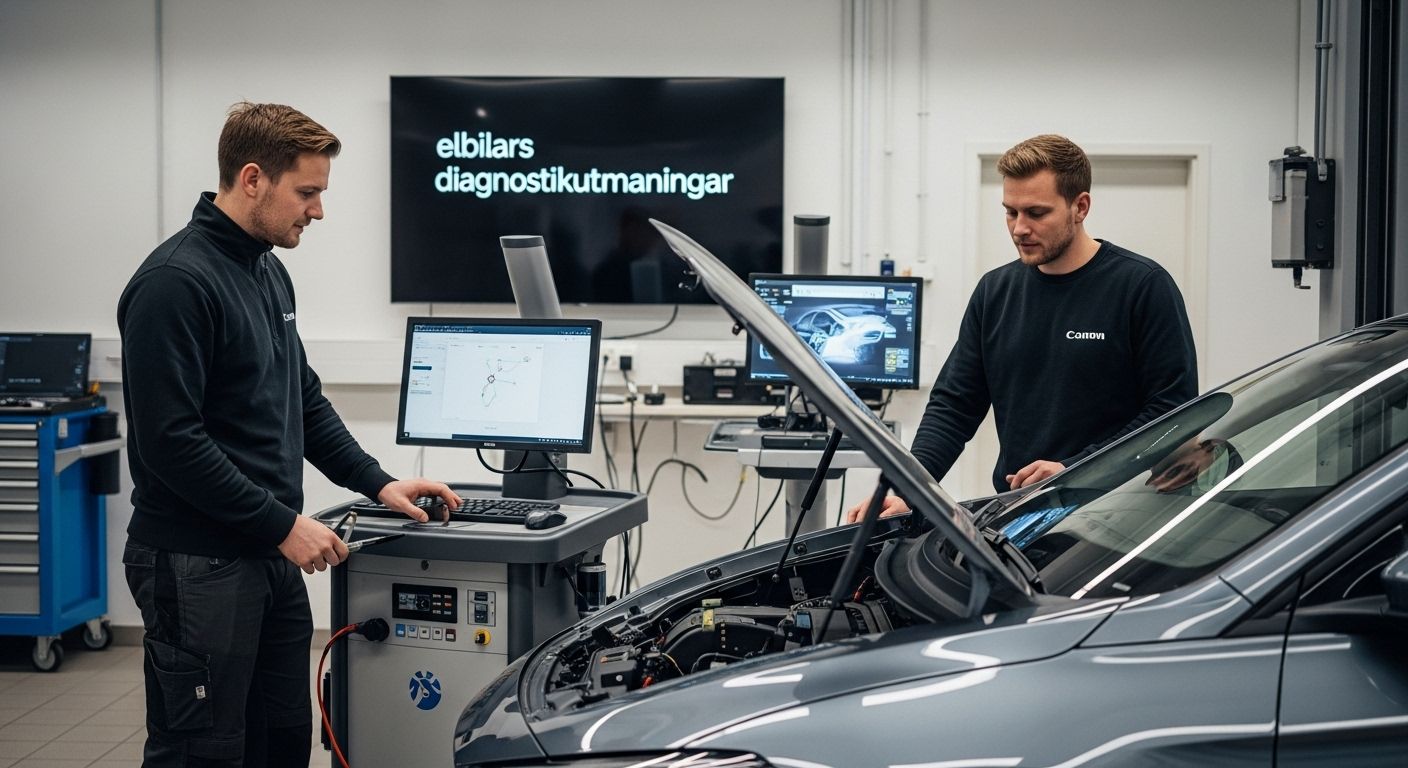
Electric cars promise cleaner transport and fewer mechanical problems, yet new challenges arise when it comes to troubleshooting. This almost sounds contradictory. Technicians now need special tools because the battery management system requires advanced equipment to even make a diagnosis. Suddenly, traditional car mechanics are no longer sufficient, and the future demands more than engineers could have anticipated.
Table of Contents
- Common diagnostic challenges for electric cars
- Differences between electric and gasoline car troubleshooting
- Important tools and equipment for EV diagnostics
- Tips for workshops and car owners on EV diagnostics
Brief summary
| Takeaway | Explanation |
|---|---|
| Battery management system requires specialized tools | Diagnosis of battery cell capacity and temperature is complex and requires advanced instruments for accurate assessment. |
| Diagnostic methods differ between electric and gasoline cars | Electric cars require a system-oriented methodology that focuses on electrical and electronic systems, unlike mechanical parts in gasoline cars. |
| Regular monitoring is crucial | Preventive maintenance and continuous monitoring of an electric car's systems can prevent serious problems and extend the car's lifespan. |
| Safety equipment is necessary | The use of specialized personal protective equipment is a requirement to minimize risks when working with high-voltage systems in electric cars. |
| Continuous training for technicians | The rapid development of electric car technology requires technicians to regularly update their knowledge of new diagnostic tools and systems. |
Common diagnostic challenges for electric cars
Electric cars represent a revolutionary technology that is changing the way we think about transportation and the environment. Despite their impressive technological advancements, EV owners face specific diagnostic challenges that require specialized knowledge and the right tools. The complex electrical systems of electric cars differ significantly from traditional internal combustion engine vehicles, making troubleshooting and diagnostics a more sophisticated process.
Battery management and electrical system diagnostics
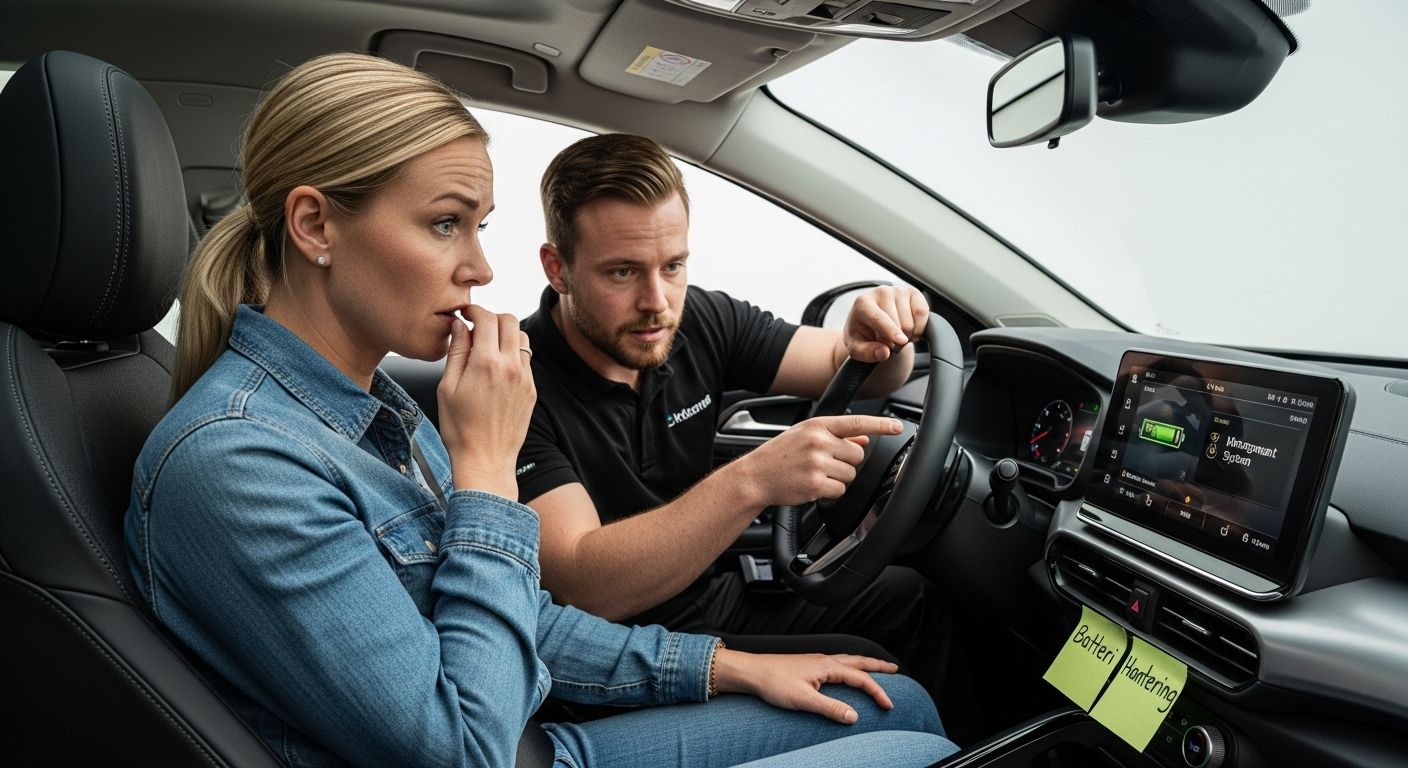
The battery system is the heart of every electric car and also presents the most complex diagnostic challenge. Modern electric cars have advanced battery management systems that continuously monitor cell health, temperature, and charge status. Problems can arise when these systems indicate irregularities that are not immediately obvious to an inexperienced technician.
Some of the most common diagnostic problems include:
- Battery cell capacity. Gradual capacity reduction that can be difficult to measure accurately without specialized diagnostic tools.
- Thermal regulation. Overheating or abnormal temperature distribution in the battery pack that can affect performance and lifespan.
- Impact of charging cycles. How different charging patterns and external factors affect the long-term durability of batteries.
To effectively address these challenges, advanced diagnostic tools for electric car electrical systems are required. Professional technicians need specialized equipment that can communicate directly with the car's electronic control system and interpret complex fault codes.
Electric motor and powertrain
Electric motors have fewer moving parts compared to traditional engines, but this does not mean they are fault-free. Diagnostic challenges here often involve subtle performance changes and electronic control problems.
Typical diagnostic scenarios include:
- Unexplained power losses
- Irregular regenerative braking cycles
- Disruptions in motor control electronics
These problems require a deep understanding of electric drive systems and access to advanced diagnostic software that can perform detailed system analyses.
Interface and communication challenges
Modern electric cars are essentially computers on wheels, which creates unique diagnostic challenges when it comes to communication between various electronic components. Faulty interfaces or software problems can result in complex system errors that are not always obvious at first glance.
Technicians must be prepared to handle:
- Software updates that may affect system integrity
- Communication protocols between different electronic modules
- Compatibility issues between older and newer system designs
Successful diagnostics require continuous training and access to the latest technical resources. Electric vehicle technology is evolving rapidly, and diagnostic methods must constantly adapt to meet new technical challenges.
Differences between electric and gasoline car troubleshooting
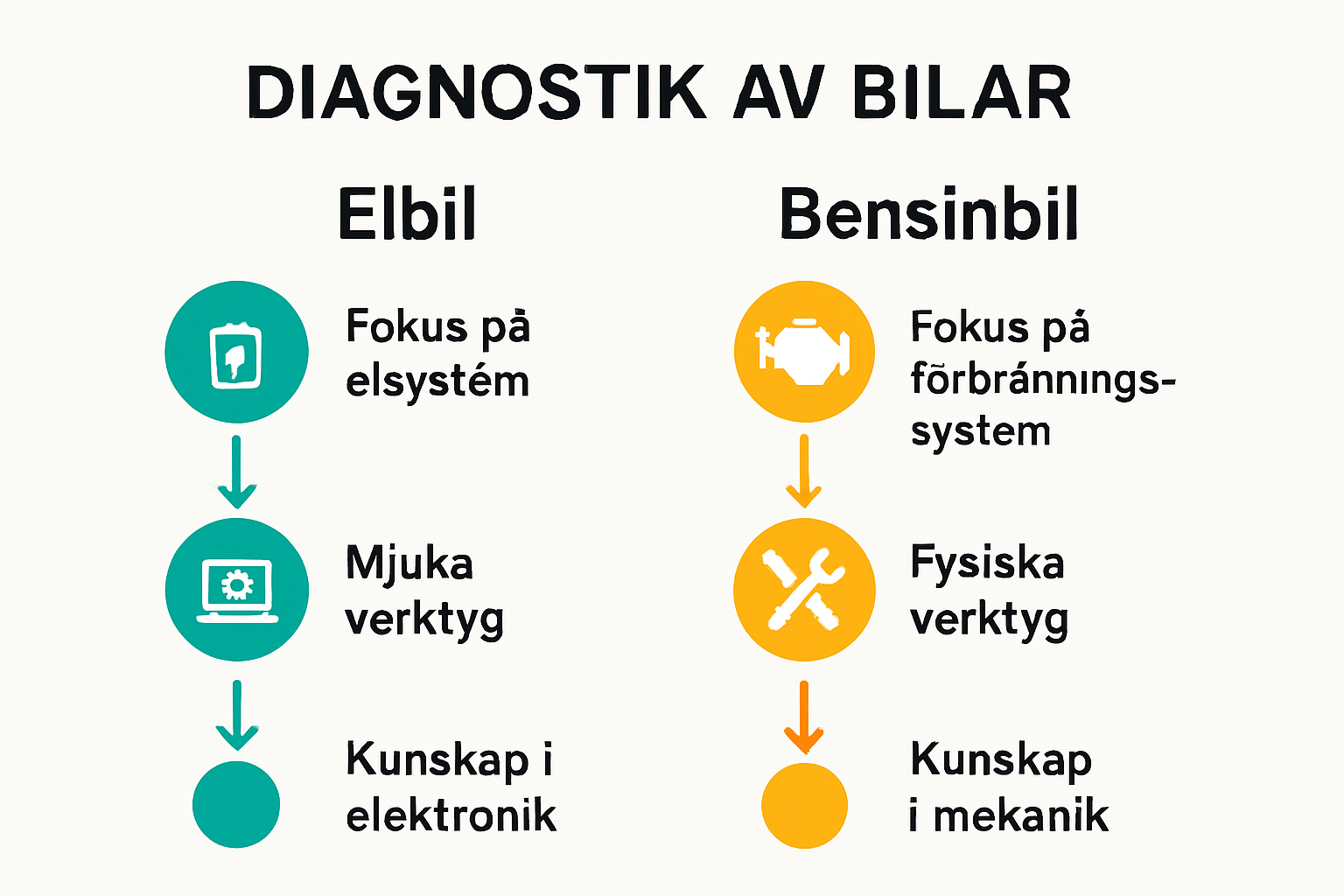
Troubleshooting electric cars and gasoline cars differs fundamentally, requiring different technical approaches and specific expertise. While traditional gasoline cars rely on mechanical systems with many moving parts, electric cars represent a completely new generation of automotive technology built on advanced electrical and electronic components.
Fundamental system differences
The most striking difference lies in the drive system itself. Gasoline cars use internal combustion engines with complex mechanical systems such as pistons, valves, and fuel pumps. Electric cars, on the other hand, use electric motors with significantly fewer moving parts, which changes the entire diagnostic process. This means that troubleshooting technicians must shift their perspective from mechanical problems to electronic and electrical system challenges.
Diagnostic tools for electric cars require more sophisticated software-based solutions that can communicate directly with the vehicle's electronic control system. For a deeper understanding of modern diagnostic tools, you can read our guide on car diagnostic functions.
Diagnostic approaches
In gasoline cars, troubleshooting traditionally focuses on mechanical components such as brakes, transmissions, and engine parts. Electric cars require a more system-oriented approach where battery management, electric power transmission, and software integration are central. Technicians must be experts at interpreting complex electronic fault codes and understanding the interaction between different electrical components.
Common diagnostic areas for electric cars include:
- Battery health and capacity measurement
- Thermal regulation of electrical systems
- Software updates and system integration
- Charging infrastructure and charger compatibility
Technical competency requirements
The transition from mechanical troubleshooting of gasoline cars to electronic diagnostics of electric cars requires a completely new skill set. Modern technicians must master both traditional mechanical knowledge and advanced IT skills. They need to understand how electrical systems communicate, how batteries work, and how software affects the vehicle's overall performance.
This complexity means that training and continuous professional development are crucial. Technicians must constantly update their knowledge as electric car technology rapidly evolves. Skills in software management, electronic system diagnostics, and understanding of battery technology become as important as traditional mechanical knowledge.
In summary, the transition from gasoline cars to electric cars represents a profound change in how we understand and diagnose vehicles. It is no longer just about understanding mechanical systems, but about mastering complex electrical and electronic networks that drive future transportation solutions.
To facilitate understanding of the differences between diagnosing electric cars and gasoline cars, this table summarizes their main differences regarding system components, troubleshooting methods, and competency requirements.
| Aspect | Electric Cars | Gasoline Cars |
|---|---|---|
| Main System | Electrical/Electronic systems | Mechanical systems |
| Diagnosis Focus | Battery, software, electronics | Engine, transmission, brakes |
| Common Diagnostic Tools | Software-based/electronic tools | Mechanical tools, simpler test equipment |
| Competency Requirements | Electronics, IT, software management | Mechanical knowledge |
| Troubleshooting Methodology | System-oriented, fault code analysis | Mechanical inspection and control |
| Training Needs | Continuous IT knowledge updates | Basic mechanic training |
Important tools and equipment for EV diagnostics
Modern electric car diagnostic tools represent an advanced technological arsenal that differs significantly from traditional diagnostic instruments. To effectively manage the complex electrical systems in modern electric vehicles, specialized equipment is required that goes far beyond common mechanical diagnostic tools.
Electronic diagnostic interfaces
The most important tool for electric car diagnostics is a high-quality electronic diagnostic interface that can communicate directly with the vehicle's control system. Modern diagnostic tools must have the capacity to read and interpret advanced fault codes, monitor real-time data, and perform system diagnostics with high precision. For insightful details on the technology driving modern fault code readers, you can explore our technical guide.
Key components of a professional electronic diagnostic system include:
- High-voltage compatible measuring instruments
- Multimeters with specialized measurement functions
- Software-based diagnostic platforms
- Adapters for various vehicle protocols
Specialized measuring equipment
Electric car diagnostics requires precision tools that can handle high voltage levels and complex electrical systems. Thermal cameras, digital oscilloscopes, and specialized battery meters become crucial for identifying subtle system deviations. Technicians must be equipped with instruments that can:
- Measure the exact voltage of battery cells
- Analyze thermal characteristics
- Identify micro-leaks
- Perform detailed electrical system analyses
Safety and protective equipment
Working with electric vehicles requires extensive safety measures. Professional diagnostic technicians must use specially designed personal protective equipment such as:
- Insulated gloves with high dielectric rating
- Safety glasses for high-voltage work
- Safety shoes with electrically insulating properties
- Protective clothing designed for electrical environments
In addition to personal protective equipment, technicians must have access to safety equipment such as high-voltage protective mats, voltage detectors, and grounding tools. Every diagnostic process must follow strict safety protocols to minimize risks.
Successful electric car diagnostics is not just about the right tools, but also about the right knowledge. Continuous training and updating of technical skills become crucial in a rapidly changing technological landscape. Technicians must constantly adapt to new vehicle models, battery technologies, and diagnostic methods to ensure optimal troubleshooting and maintenance.
Tips for workshops and car owners on EV diagnostics
EV diagnostics requires a proactive and systematic approach that differs from traditional vehicle maintenance methodology. Both workshops and individual car owners must develop specific knowledge and preparedness to effectively manage the unique challenges that electric vehicles present.
Preventive maintenance and regular inspection
Successful EV diagnostics begins with preventive maintenance. Regular inspections are crucial to identify potential problems before they develop into more serious system failures. Car owners and workshops should focus on:
- Continuous battery monitoring
- Regular software updates
- Checking electrical connections
- Thermal system analysis
Workshops and car owners can benefit from this table, which clearly shows important preventive maintenance measures specifically adapted for electric cars and why these are important.
| Maintenance Action | Purpose |
|---|---|
| Continuous battery monitoring | Identify degradation and problems early |
| Regular software updates | Ensure latest features and security |
| Checking electrical connections | Prevent charging and operational faults |
| Thermal system analysis | Avoid overheating and extend lifespan |
For deeper insights into vehicle diagnostic methods, we recommend our comprehensive guide. Professional technicians must be particularly attentive to subtle changes in the vehicle's electrical system that may indicate incipient problems.
Diagnostic strategies and tool usage
Modern electric cars require sophisticated diagnostic strategies. Workshops must invest in specialized diagnostic tools that can communicate directly with the vehicle's electronic control system. Important diagnostic strategies include:
- Use of advanced fault code readers
- Real-time monitoring of system parameters
- Detailed battery health analysis
- Software diagnostics and troubleshooting
Car owners are advised to regularly document the vehicle's performance, charging patterns, and any observed deviations. This information can be invaluable for technicians during more extensive diagnostic investigations.
Safety and knowledge development
Working with electric cars places extremely high safety demands. Workshops must implement rigorous safety protocols and continuously train their staff. Key aspects include:
- Specialized high-voltage safety training
- Use of personal protective equipment
- Understanding electrical system risks
- Ongoing competency development
Car owners should be aware that EV diagnostics are more complex than traditional vehicle service. It is crucial to hire technicians with specific expertise in electric vehicle systems.
Successful EV diagnostics require a combination of technical skill, the right equipment, and continuous knowledge development. Both workshops and car owners must be prepared to invest time and resources in understanding and managing the unique challenges that electric vehicles present. Technology is evolving rapidly, and those who can adapt and learn continuously will be best equipped to navigate this dynamic industry.
Frequently Asked Questions
What are the most common diagnostic challenges for EVs?
EVs face specific challenges such as battery management, communication issues between electronic systems, and performance variations in electric motors. These challenges require specialist tools and expertise to resolve.
How does EV troubleshooting differ from gasoline cars?
EV troubleshooting primarily revolves around electrical and electronic systems, while gasoline cars focus more on mechanical components. EVs require a more system-oriented methodology and advanced diagnostic tools.
What tools are needed to diagnose EVs?
Professional technicians need advanced electronic diagnostic interfaces, specialized measurement equipment for batteries and electrical systems, and safety equipment for handling high-voltage systems.
####How can car owners prevent problems with their EV? Regular monitoring of battery health, checking for software updates, and inspecting electrical connections are important preventative measures to identify problems before they become serious.
Stop guessing – start understanding your EV for real
Do you recognize the worry when the battery light flashes or the software behaves unexpectedly? EVs' advanced systems require more than just traditional technology. With an increasing number of electrical and electronic components, the need for the right diagnostic tools grows. In the article, we highlight challenges such as battery management, complex fault codes, and the need for specialized equipment. These obstacles make troubleshooting difficult and can quickly lead to unnecessary workshop costs if you lack the right equipment or knowledge.
The solution is close at hand. With products from Felkodslasare.se, you get access to the market's best fault code readers and electronic tools for both EVs and other vehicles. You'll find easy-to-use OBD readers, adapters, and guides that help you interpret fault codes and understand what your car truly needs. Don't miss the chance to take control of your EV problems today – visit Felkodslasare.se and discover how you can save both time and money. Want to know more about smart vehicle technology? Read our technical guide on fault code reader functions and you'll quickly be one step ahead of the next error message.
Recommended
- The Importance of Choosing the Right ELM327 Device for Your Car – Felkodsläsare
- Common Fault Codes and What They Mean: A Guide for Car Owners – Felkodsläsare
- How to Connect ELM327 to Your Car to Read Fault Codes Smoothly – Felkodsläsare
- Numbers and Letters: Decode Fault Codes with Your Reader – Felkodsläsare