

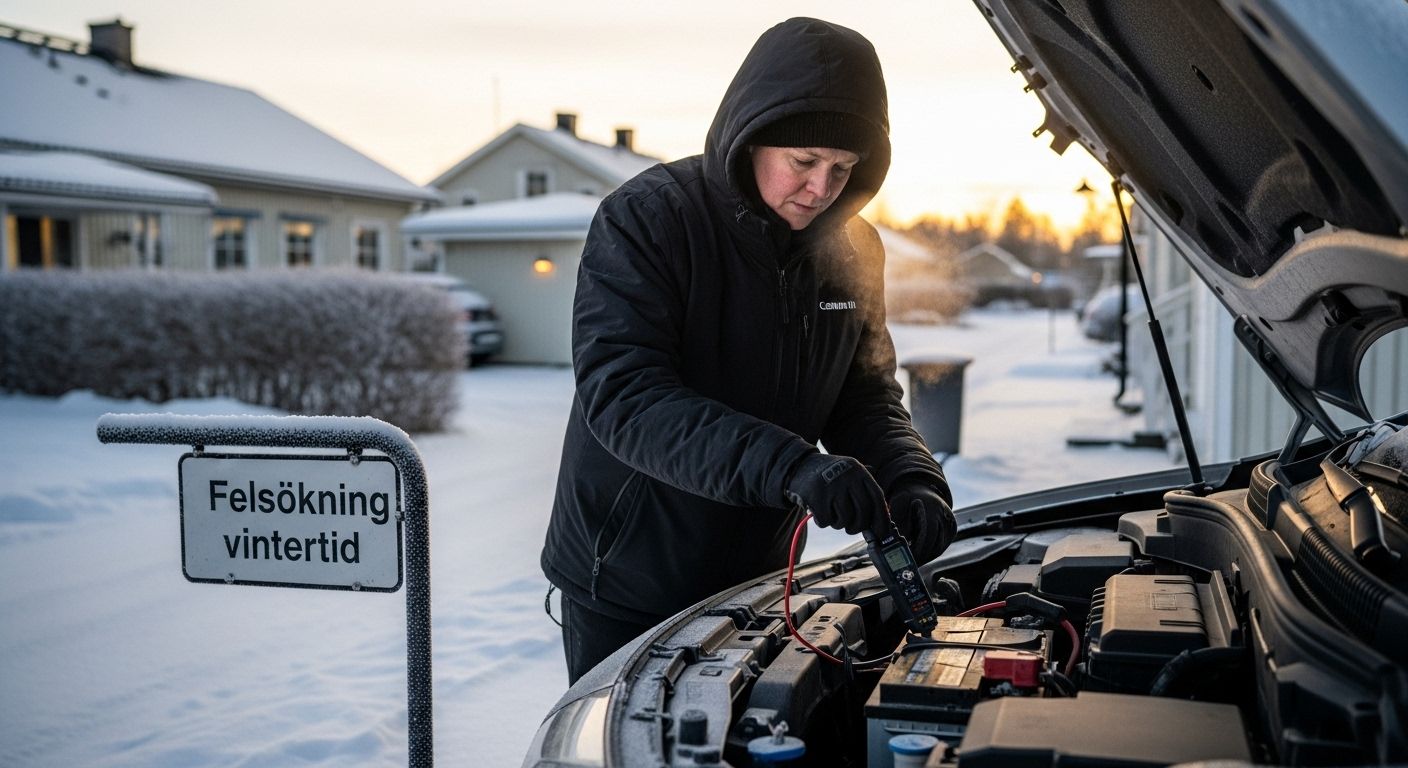
Winter cold makes the car struggle at completely new levels, especially when the temperature drops far below zero. Many believe that the car's biggest problem on a cold morning is that the engine is difficult to start, but do you know what actually surprises most? Up to 50 percent of the battery's capacity can disappear just due to the cold, making the battery the car's real weak point when snow covers the ground.
Table of Contents
- Common Winter Vehicle Problems
- Step-by-step troubleshooting in the cold
- Important tools and equipment in winter
- Preventive tips for safer winter driving
Quick summary
| Takeaway | Explanation |
|---|---|
| Regular battery check | Check battery voltage and clean terminals to prevent problems in the cold. Old batteries risk collapsing at low temperatures. |
| Tire pressure should be checked often | Cold temperatures lower tire pressure. Check at least every other week to ensure optimal grip and safety. |
| Use winter-specific engine oil | Choose engine oil with lower viscosity for better lubrication and performance in cold temperatures. This reduces wear on engine components. |
| Have complete emergency equipment | Equip your car with jump cables, warm blankets, and necessary tools to handle unforeseen situations during winter. |
| Conduct a thorough vehicle inspection | Check critical systems such as battery, tires, and fuel system before winter to avoid breakdowns and problems on the road. |
Common Winter Vehicle Problems
Winter can be a challenging time for vehicles. Cold temperatures, snow, ice, and humid conditions put great pressure on the car's mechanical components and electrical systems. As a vehicle owner, it is crucial to know and understand the most common winter problems that can arise, so you can prevent and quickly fix them.
Battery problems: the cold's big challenge
Vehicle batteries suffer heavily during the winter months. Cold temperatures significantly reduce battery capacity and increase electrical load. When the temperature drops below zero, a weak battery can suddenly collapse and leave you stranded. Older batteries are particularly vulnerable and can lose up to 50% of their original power.
To minimize the risk of battery problems, regular inspection and maintenance are recommended. Test the battery's voltage, clean battery terminals of corrosion, and check cable connections. If the battery is older than three years, you should consider replacing it before the winter season.
Tire problems and friction challenges
Winter tires are crucial for safe driving in cold and slippery conditions. Common problems include reduced tread depth, tire pressure changes, and impaired grip. When the temperature drops, the flexibility of the tires decreases, which affects their ability to maintain optimal contact with the road surface.
Perform regular tire checks during the winter. Check tire pressure every other week, as cold temperatures cause tire pressure to drop. Examine the tires for wear and replace them if the tread depth is insufficient. Read more about the importance of winter tires for your vehicle's safety and performance.
Engine problems and fuel system
Cold temperatures can cause significant challenges for the vehicle's engine and fuel system. Thicker engine oil, risk of fuel freezing, and harder starting are common problems. Diesel engines are particularly sensitive and can suffer from starting difficulties when the temperature drops below zero.
To minimize these risks, the use of winter-specific engine oil with lower viscosity is recommended. Fuel additives that prevent fuel freezing can also be crucial. Maintain the fuel system by regularly changing fuel filters and using high-quality fuels.
When you are prepared and proactive, you can effectively handle the common winter problems with your vehicle. Regular inspection, preventive maintenance, and quick troubleshooting are key to keeping your vehicle in top condition during the cold months.
Here is a practical overview of the most common winter car problems and how you can prevent or fix them.
| Winter Problem | Common Cause | Preventive Measure |
|---|---|---|
| Battery problems | Capacity reduction, cold | Check voltage, clean terminals, replace when old |
| Tire problems | Air pressure decreases in cold, wear | Check pressure every other week, replace worn tires |
| Engine starting difficulties | Thicker oil, cold, diesel freezing risk | Use engine oil for winter, change filter, additive |
| Fuel problems | Condensation, risk of fuel freezing | Keep tank at least half full, use additives |
| Poor grip | Old/low winter tires, low temperature | Change to approved winter tires, check tread |
| Visibility problems | Ice/snow on windows, fogged up | Scrape windows, use de-icing spray |
Step-by-step troubleshooting in the cold
When winter cold strikes, troubleshooting vehicles can feel like a real challenge. Proper preparation and systematic methodology are crucial for effectively diagnosing and solving problems. This guide will help you methodically approach vehicle diagnostics during the coldest months.
Preparation and safety before troubleshooting
Before you start troubleshooting, it is critical to take the right safety measures. Cold temperatures can make vehicle components brittle and work surfaces slippery. Make sure you have the right protective equipment including warm gloves, non-slip shoes, and thick clothing that allows movement. If possible, work in a heated garage or protected area to minimize exposure to the cold.
Always have a basic set of tools ready. Robust troubleshooting equipment, our guide to diagnostic tools can help you choose the right equipment for winter troubleshooting. Include, among other things, a multimeter, battery charger, jump cables, and a reliable fault code reader that works effectively even in low temperatures.
Systematic diagnostic method
A structured troubleshooting process is crucial during the winter months. Start with a thorough visual inspection. Check battery connections for corrosion, examine the condition of the tires, and check the coolant level and concentration. These simple steps can reveal potential problems before they escalate.
Use your fault code reader to perform a thorough electronic diagnostic. Modern diagnostic tools can quickly identify specific problems in the vehicle's electronic system. Pay attention to fault codes related to the battery system, fuel injectors, and temperature sensors, which are particularly sensitive in cold conditions.
Specific winter-related troubleshooting challenges
Each vehicle component reacts differently in the cold. Batteries lose capacity, electronic systems become less responsive, and lubricants become more viscous. Focus particularly on three critical systems: electrical system, fuel system, and engine components.
For the electrical system, this means careful voltage testing and checking the battery's health. In the fuel system, it's about ensuring fuel flow and preventing freezing. Engine components require extra attention regarding lubrication and temperature management.
Successful winter troubleshooting requires patience, systematic methodology, and the right equipment. By following these steps and being proactive, you can effectively diagnose and solve most vehicle problems even on the coldest winter days.
Important tools and equipment in winter
Winter's challenging conditions require the right equipment for effective vehicle diagnostics and safety. As a vehicle owner, it is crucial to have a well-equipped toolbox and necessary equipment that can help you handle unforeseen situations during the cold months.
Basic diagnostic tools
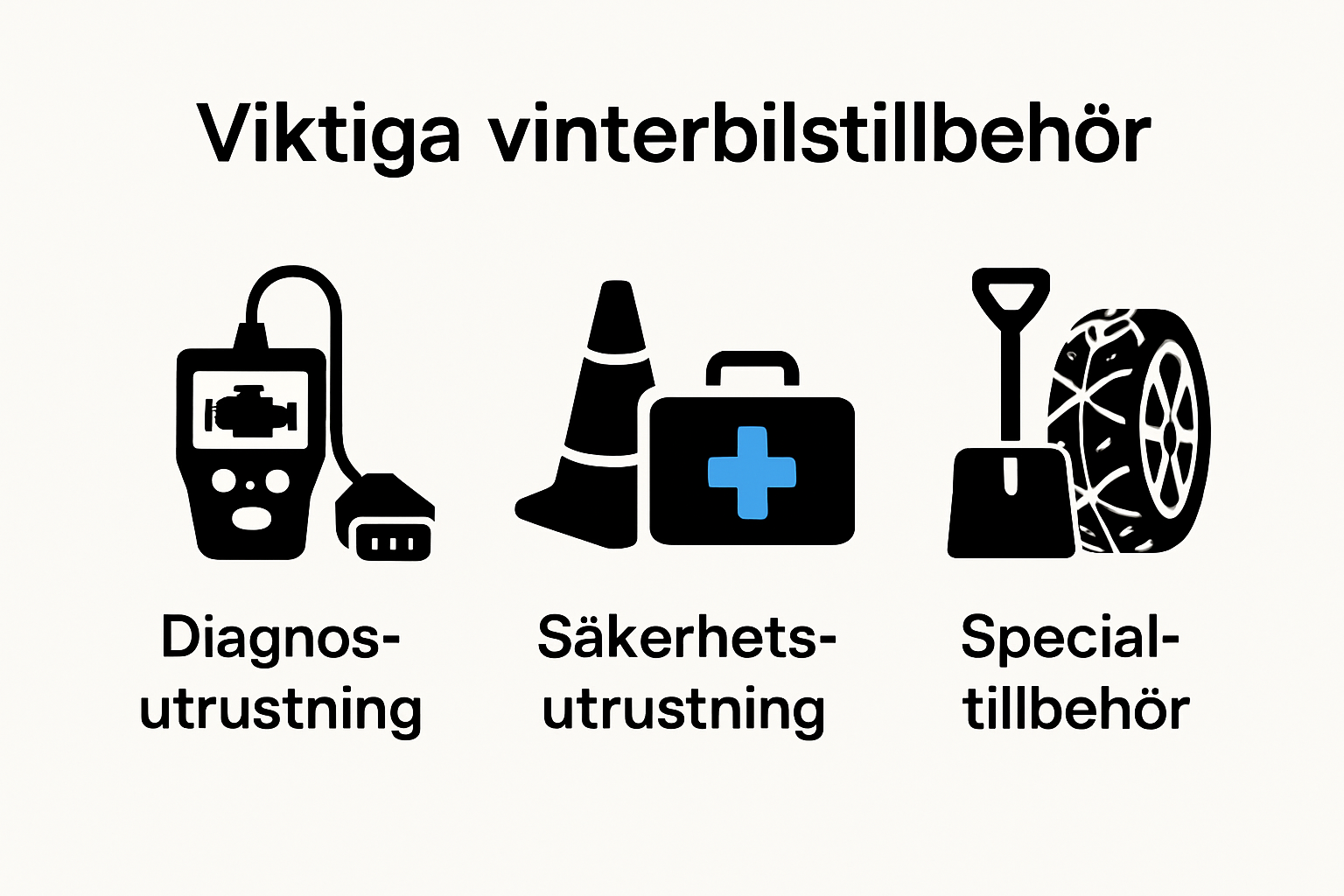
A complete diagnostic toolbox is essential for winter troubleshooting. Fault code readers play a central role in modern vehicle diagnostics. Modern digital diagnostic units can quickly identify electronic problems and give you exact information about the vehicle's health status. Choose a fault code reader that works effectively even in low temperatures and has broad compatibility with different vehicle models.
The multimeter is another critical tool. It allows accurate voltage testing of batteries, electrical systems, and components. Look for a robust model with extra insulated leads and durable test probes that can withstand cold conditions. Learn more about the capacity of modern diagnostic tools to understand which functions are most important.
Emergency equipment and safety equipment
Comprehensive emergency equipment can be the difference between a minor inconvenience and a potential disaster. Basic components include jump cables with robust insulation, a powerful flashlight with extra batteries, a reflective vest, and warning triangles. Supplement with a solid first-aid kit adapted for cold conditions.
Additional items that can save you in critical situations include an intelligent battery charger that works in the cold, extra work gloves, a pair of strong tow straps, and absorbent material like cat litter or sand to improve tire grip on slippery surfaces. A compact, heated blanket can be life-saving during longer waiting times.
Special tools for winter maintenance
Some tools are specifically designed for winter vehicle maintenance. A high-quality ice scraper and brush are indispensable for ensuring optimal visibility. Choose models with ergonomic design and extra strong construction. Supplement with special spray for de-icing locks and windows.
A compact tire pressure monitoring system is crucial because tire pressure is significantly affected by temperature changes. Invest in a digital tire pressure gauge with a backlit display for easy reading even in the dark. Carry a compressor that can be connected to the vehicle's 12V outlet for quick tire adjustment.
Successful winter troubleshooting is about preparation, the right equipment, and proactive thinking. By investing in the right tools and keeping them well-organized, you can effectively meet winter's challenges and minimize the risk of unexpected vehicle-related problems.
To make it easier to choose and understand which tools and equipment are needed in winter, here is a summary table of common winter tools and their purpose.
| Tool/Equipment | Function/Purpose | Winter Tips |
|---|---|---|
| Fault code reader | Diagnoses electronic faults | Choose one that works in sub-zero temperatures |
| Multimeter | Tests battery and system voltage | Extra insulated leads recommended |
| Jump cables | Helps start a dead battery | Robust insulation for cold |
| Flashlight | Provides light for troubleshooting or emergencies | Bring extra batteries |
| Tire pressure gauge | Checks correct tire pressure | Digital with backlit display simplifies |
| Ice pick & ice scraper | Removes ice/snow from windows | Ergonomic and strong model preferred |
| Battery charger | Charges battery when capacity is low | Choose one that can handle cold |
Preventive tips for safer winter driving
Winter driving places high demands on both drivers and vehicles. Proactive preparation and the right strategy can determine the difference between a safe journey and a potentially dangerous situation. By implementing preventive measures, you can significantly reduce risks during the challenging winter months.
Vehicle preparation and thorough inspection
A thorough inspection of your vehicle is the first and most important preventive measure. Focus particularly on critical systems that are most affected by cold temperatures. The battery needs extra attention as its capacity significantly decreases when the cold strikes. Perform an accurate voltage measurement and replace the battery if it shows signs of weakness.
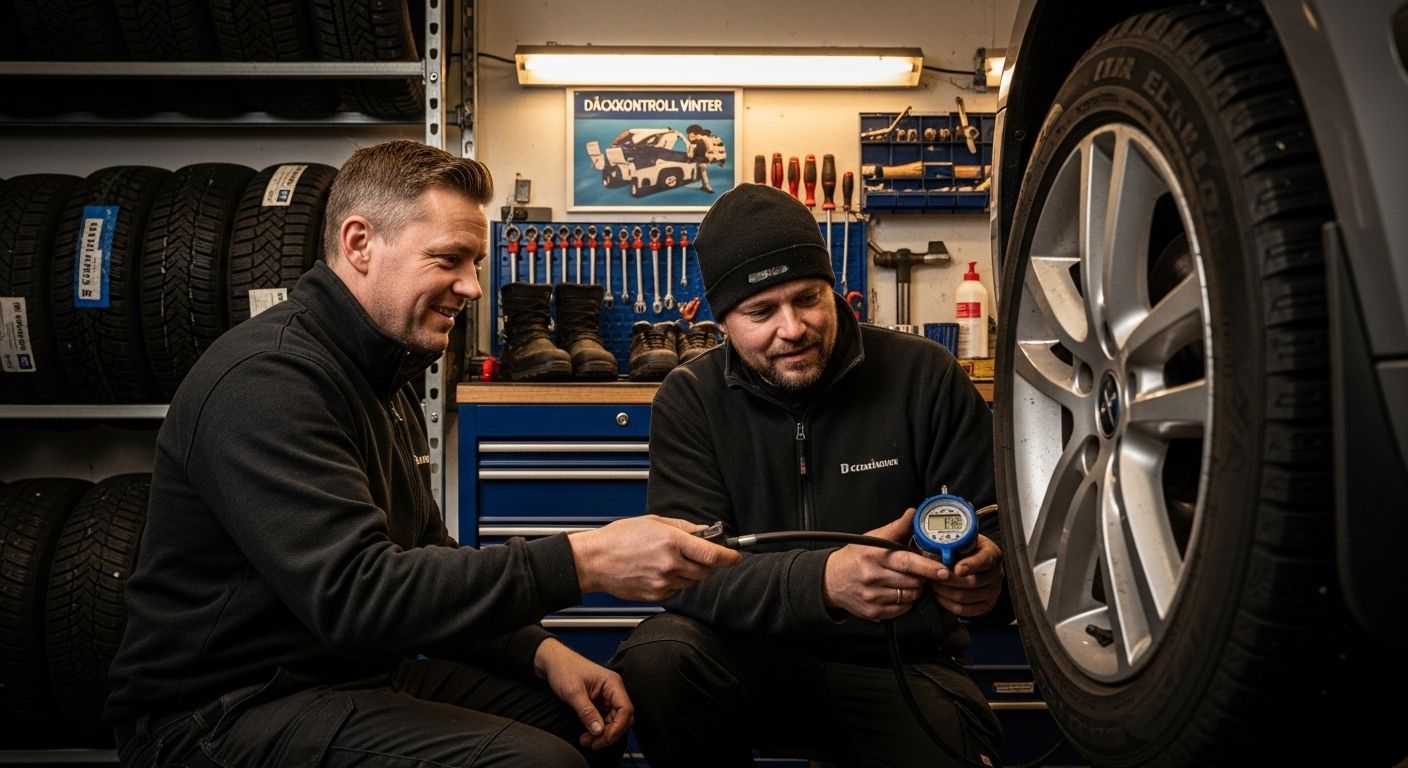
The tires are another crucial component. Winter tires with the correct tread depth and correct air pressure ensure optimal grip in slippery conditions. Check tire pressure regularly, as cold temperatures cause air volume to decrease. Read more about the importance of tires for winter driving to understand how the right tire choice can improve your safety.
Fuel and lubrication system
Winter conditions place special demands on the vehicle's fuel and lubrication system. Use winter-specific engine oil with lower viscosity that works effectively even at low temperatures. This ensures better lubrication and reduces wear on engine components.
Keep the fuel tank at least half full to prevent condensation and potential fuel freezing. Fuel additives that prevent freezing can be a valuable addition, especially for diesel vehicles. Check the fuel system filter and inspect the fuel pump's condition to avoid unexpected breakdowns.
Driving strategies and emergency equipment
Safe winter driving is not just about vehicle preparation but also about the right driving technique and readiness. Adjust your speed according to road conditions and maintain longer safety distances. Avoid sudden braking and sharp turns that can cause skidding.
Make sure you have well-thought-out emergency equipment in the car. A complete winter kit should include warm blankets, extra warm clothes, a flashlight with extra batteries, jump cables, a shovel, sand or cat litter to improve tire grip, and some energy-rich snacks and water.
Successful winter driving requires preparation, knowledge, and calm. By systematically preparing both your vehicle and yourself, you can significantly reduce risks and enjoy a safer winter journey. Remember that preventive measures are key to safety during the cold months.
Frequently Asked Questions
What should I do if the car has difficulty starting in the cold?
First, check the battery's voltage and clean the terminals. If the battery is older than three years, consider replacing it before winter. Also, use winter-specific engine oil to facilitate starting.
How often should I check tire pressure during winter?
Tire pressure should be checked at least every two weeks, as cold temperatures can lower the pressure and affect grip.
What type of engine oil is best for winter driving?
Use winter-specific engine oil with lower viscosity for better lubrication and performance in cold temperatures, reducing wear on engine components.
What tools are essential to have in the car during winter?
Keep a complete emergency kit that includes jumper cables, warm blankets, a flashlight, a shovel, and sand or cat litter for better grip on slippery surfaces.
Avoid Winter Breakdowns: Professional Solutions for Troubleshooting and Quick Recovery
When the cold hits and the car suddenly refuses to start, many recognize the frustration of unexpected battery problems, difficulties interpreting error codes, or anxiety about the next morning's icy commute. A single error code can quickly lead to uncertainty and unnecessary workshop costs, especially concerning winter-sensitive systems like the battery, tires, and engine. Do you want to easily identify and solve common winter problems yourself without waiting for help or spending money on unnecessary repairs?

At Felkodslasare.se, you'll find modern fault code readers and smart diagnostic tools specifically designed for those who want to take control of their car even when the winter cold is at its worst. With a wide range of products and comprehensive guides, it becomes easy to understand vehicle error codes and quickly rectify common problems. Take the step and start troubleshooting like a pro at home. Explore the range today and ensure operational reliability for the winter season!