

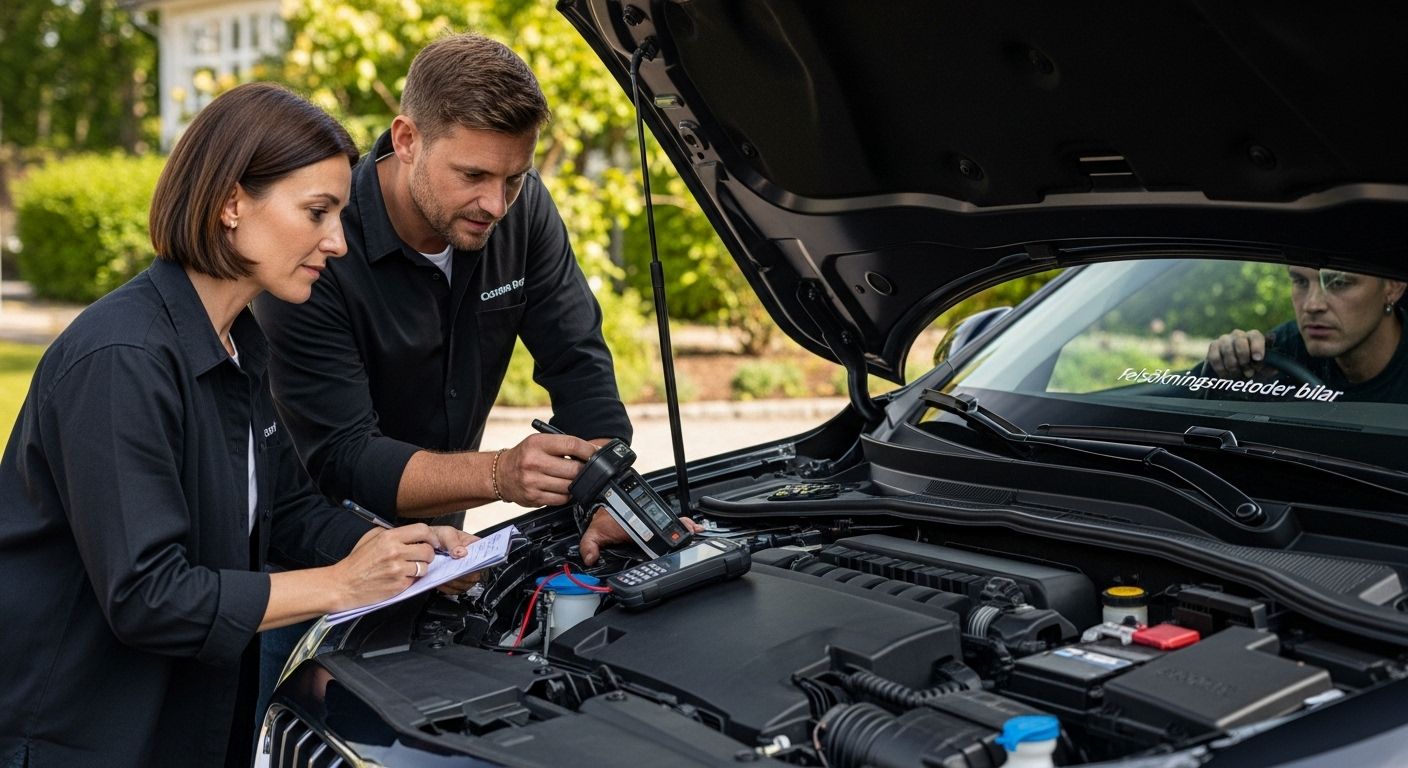
Car troubleshooting often involves frustration and unexpected surprises. Many believe it requires hours in the workshop and advanced technical knowledge. But the fact is that a fault code reader can identify specific car problems in just a few minutes and save both time and money right at home in your driveway. So, even if the check engine light comes on and panic sets in, there are smarter ways to solve the mystery than you think.
Table of Contents
- Common Car Malfunction Symptoms and Their Causes
- Step-by-Step Guide to Car Troubleshooting
- Technical Aids for Car Troubleshooting
- Troubleshooting Tips for Car Owners and Workshops
Quick Summary
| Action | Explanation |
|---|---|
| Identify symptoms early | Pay attention to noises, warning lights, and performance drops to address problems before they become serious. |
| Use a fault code reader | By connecting a fault code reader to the car, you can quickly identify specific problems by reading diagnostic fault codes. |
| Systematic troubleshooting | Follow a structured methodology to inspect and diagnose car problems, saving time and preventing unnecessary costs. |
| Continuous preventive maintenance | Perform regular inspections and maintenance to ensure the car's long-term performance and prevent future damage. |
| Effective communication with mechanics | When describing the car's symptoms, be detailed and clear to facilitate diagnosis and repairs. |
Common Car Malfunction Symptoms and Their Causes
Car owners are often confronted with various signs indicating potential problems with their vehicle. Recognizing these early warning signs can help prevent more severe damage and avoid costly repairs. In this overview, we will explore the most common symptoms of car malfunctions and their underlying causes.
Engine Warning Signals
The engine is the heart of the car, and when something is wrong, it sends clear warning signals. One of the most obvious signs is when the warning light on the dashboard illuminates. This light can indicate anything from simple problems like a loose fuel cap to more serious issues such as exhaust system faults or engine electronic component failures.
Another common symptom is abnormal noises from the engine. Knocking, hissing, or scraping sounds can indicate serious mechanical problems. For example, a loud banging sound might indicate worn connecting rods or piston problems. A hissing sound might indicate air leaks or gasket issues. Pay attention to these noises and have a professional mechanic investigate them as soon as possible.
Decreased fuel efficiency is also a warning sign. If you notice that the car suddenly consumes more fuel than usual, this could indicate problems with the fuel system, ignition system, or engine sensors. This can be due to anything from dirty fuel filters to defective oxygen sensors.
Electrical and Mechanical System Failures
Electrical problems can manifest in several ways. Battery and starting problems are common signs. If the car is difficult to start, the battery loses charge quickly, or the electrical systems work intermittently, this could indicate problems with the battery, starter motor, or the car's charging system.
Vibration problems are another important warning sign. Abnormal vibrations while driving can indicate several possible faults. Shaking in the steering wheel can indicate unbalanced tires or wheel alignment issues. Vibrations in the floor or bodywork can indicate more serious problems such as damaged drive shafts, worn suspensions, or brake system problems.
Our guide on troubleshooting tools can help you identify and diagnose these problems more accurately.
Transmission and Brake System Warnings
Transmission problems are often noticed through jerks or lurches when the car shifts, abnormal noises from the gearbox, or a burning smell. This can indicate worn clutches, low transmission fluid levels, or more complex mechanical problems.
The braking system also sends out warning signals. Soft brakes, whistling or scraping sounds when braking, or if the car pulls to one side when braking, are signs that the brake pads may be worn or that there are problems with the brake calipers or brake discs.
By paying attention to these symptoms and acting quickly, you can prevent more extensive damage and ensure that your car remains in top condition. Remember that regular inspections and maintenance are key to keeping your car reliable and safe.
To help you recognize common symptoms and their possible causes, the most important indications of car faults and their probable origins are organized in the table below.
| Symptom | Probable Cause |
|---|---|
| Engine warning light illuminated | Anything from a loose fuel cap to exhaust system or electronics failure |
| Abnormal engine noises | Worn connecting rods, piston problems, air leaks, gaskets |
| Increased fuel consumption | Problems with fuel system, ignition system, sensors |
| Starting problems or battery failure | Weak battery, starter motor failure, charging system |
| Abnormal vibrations | Tire imbalance, wheel alignment, damaged suspension |
| Jerky shifts/transmission | Worn clutch, low oil level, mechanical failures |
| Brake problems (noise, soft pedal) | Worn pads, caliper problems, brake disc |
Step-by-Step Guide to Car Troubleshooting
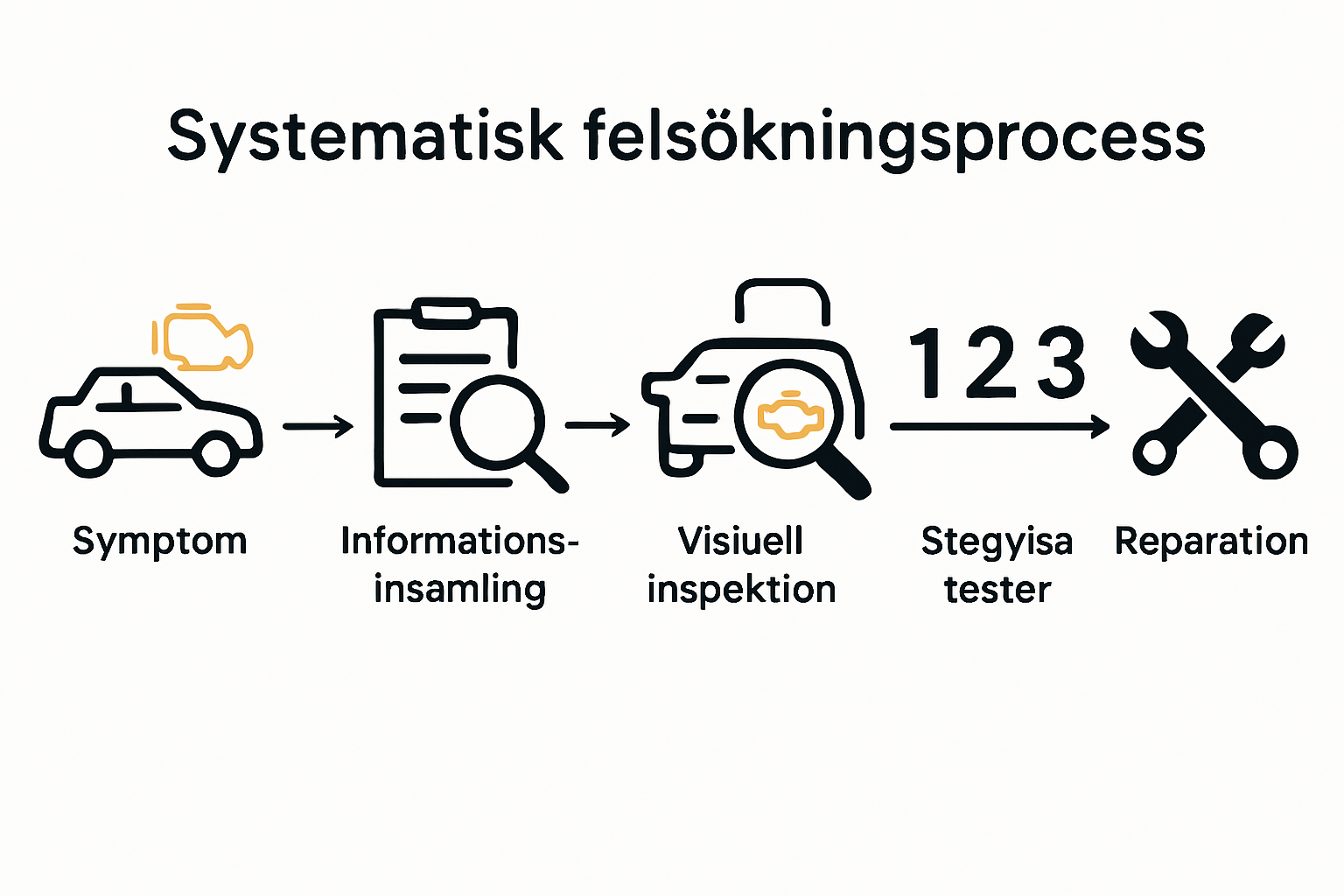
Car troubleshooting requires a systematic and methodical approach that helps you identify and solve problems effectively. By following a structured process, you can save both time and money and avoid unnecessary repairs. Here we present a comprehensive step-by-step guide to help you diagnose car problems professionally.
Preparation and Initial Diagnosis
The first phase of the troubleshooting process involves gathering accurate information. Start by documenting the exact symptoms you are experiencing. Are there unusual noises, strange vibrations, warning lights, or problems with the car's performance? The more detailed your description, the easier it will be to identify the origin of the problem.
Listen carefully to the car and pay attention to when the symptoms occur. Note the conditions under which the problem happens: at start-up, while driving, at specific speeds or temperatures. This information is invaluable when you later need to troubleshoot and diagnose.
A crucial tool in modern troubleshooting is a fault code reader. Learn more about sensor systems with ELM327 to understand how to interpret the digital signals from your car's computer system. Modern cars have advanced electronic systems that record and store fault codes when something is not working correctly.
Systematic Diagnosis
Once you have gathered initial information, the next step is a systematic review of the car's various systems. Begin with a thorough visual inspection. Check fluid levels such as engine oil, coolant, brake fluid, and transmission fluid. Low fluid levels can cause serious problems if not addressed quickly.
Use your fault code reader to retrieve diagnostic trouble codes from the car's computer system. These codes provide specific information about which systems or components may be problematic. Each code corresponds to a specific fault and can help you narrow down the troubleshooting process.
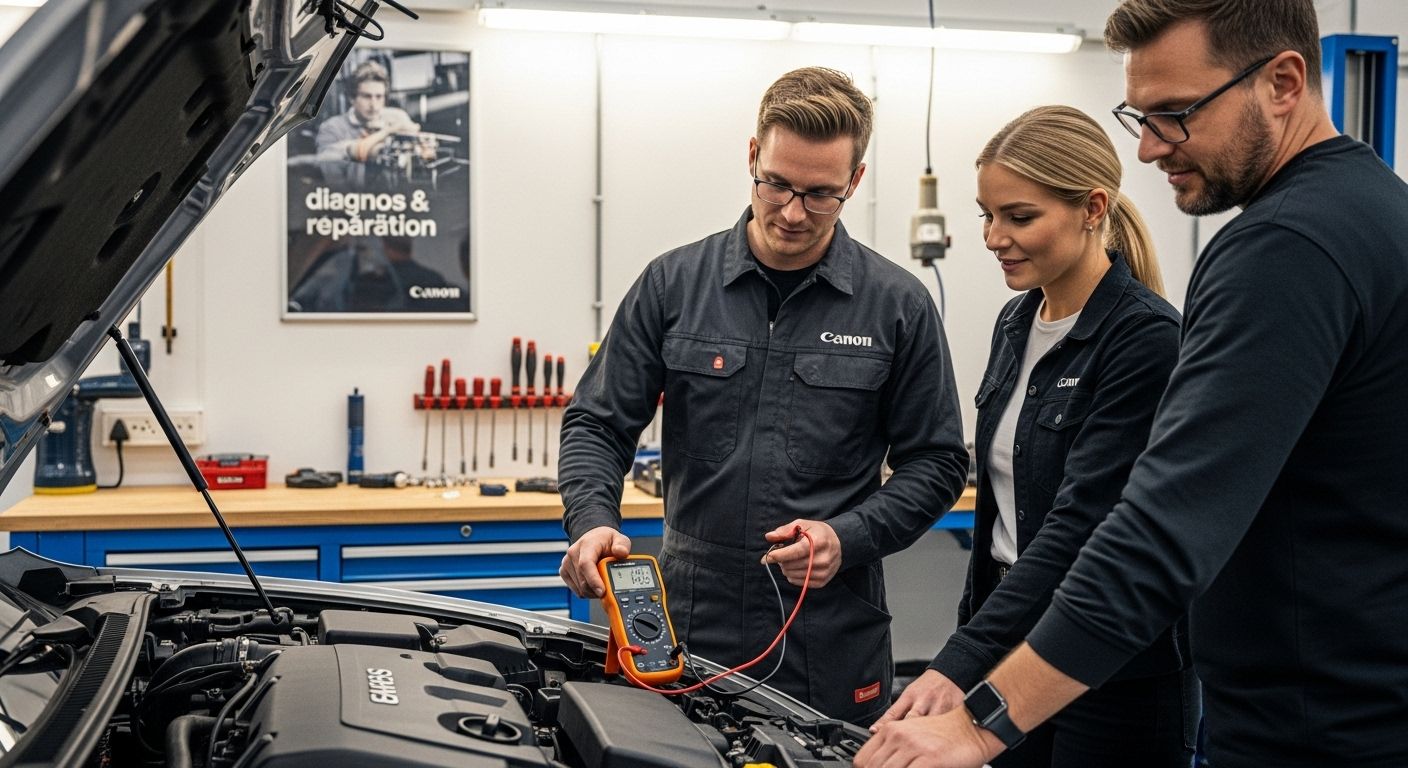
Continue with practical tests of various car systems. Check battery voltage, ignition system, fuel delivery, and electrical components. Use a multimeter and other diagnostic tools to measure and test various electrical parameters. Be methodical and document your results carefully.
Troubleshooting and Verification
After identifying the root cause of the problem, the next step is to perform the necessary repairs. Depending on the complexity of the problem, this can involve anything from simple adjustments to more extensive component replacements. If you do not feel comfortable with the repair, it is always best to consult a professional mechanic.
After the repair, it is crucial to verify that the problem is indeed resolved. Drive the car under the conditions where the symptoms previously occurred and check that no warning lights illuminate and that the car is functioning normally. Clear any fault codes and monitor the car's behavior over the next few days.
Remember that preventive maintenance is key to avoiding future problems. Follow the manufacturer's recommendations for service, replace components on time, and pay attention to the car's signals. A well-maintained car is more reliable, safer, and has a longer lifespan.
Below you will find an overview table summarizing the main steps in the car troubleshooting process, from start to verification.
| Step | Description |
|---|---|
| Information gathering | Document symptoms, when and under what conditions problems occur |
| Visual inspection | Check fluid levels, components, and obvious faults |
| Use of fault code reader | Read fault codes and interpret results via diagnostic tool |
| Practical tests | Check battery, ignition, fuel, electrical parts |
| Troubleshooting | Perform repair or replace defective parts, contact mechanic if needed |
| Verification | Test drive and check if the problem is solved, clear any fault codes |
Technical Aids for Car Troubleshooting
In the modern car owner's toolbox, technical aids have become indispensable for effective troubleshooting and diagnostics. With the development of advanced electronic systems in modern vehicles, the need for sophisticated diagnostic tools has increased significantly. This overview presents the most important technical aids that can help you identify and solve car problems quickly and efficiently.
Fault Code Readers and Diagnostic Tools
Fault code readers have revolutionized the way we troubleshoot cars. These compact devices can communicate directly with the car's computer system and retrieve detailed fault codes that reveal specific problems. Modern fault code readers go far beyond simple code readings and offer comprehensive diagnostic capabilities.
Understanding Sensor Systems with ELM327 gives you insight into how these tools work. ELM327-compatible devices can interpret complex data signals from various car systems, making them invaluable tools for both amateurs and professional mechanics. They can read real-time data from the engine's sensors, monitor fuel efficiency, and even anticipate potential problems before they become serious.
Multimeters are another critical tool for electrical troubleshooting. These instruments allow you to measure voltage, current, and resistance in the car's electrical system. With a high-quality multimeter, you can diagnose problems with batteries, starter motors, alternators, and other electrical components with precision.
Advanced Diagnostic Systems
Computer scanners represent the next level of diagnostic technology. These advanced tools offer in-depth analysis of all the car's electronic systems. Unlike basic fault code readers, professional scanners can perform complex tests that include:
- Real-time monitoring of engine parameters
- Activation and testing of individual system components
- Detailed analysis of exhaust systems and catalytic converters
- Identification of hidden electrical faults
OBD-II (On-Board Diagnostics) systems have become standard in modern vehicles and provide a universal communication platform for diagnostic tools. These systems enable standardized communication between different car makes and models, significantly simplifying the troubleshooting process.
Smartphones and Mobile Diagnostic Applications
Smartphones have been transformed into powerful diagnostic tools thanks to specialized applications and wireless adapters. Bluetooth and WiFi-based OBD-II adapters can connect your phone directly to the car's computer system, providing comprehensive diagnostic functions right in your hand.
Modern diagnostic apps offer features such as:
- Real-time monitoring of engine data
- Graphical representation of car performance
- History of fault codes and system events
- Fuel efficiency calculations
- Ability to clear and reset fault codes
These mobile solutions have made advanced troubleshooting more accessible and user-friendly than ever before. They combine convenience with powerful diagnostic technology that was previously only available to professional workshops.
Technical aids have changed the way we troubleshoot and maintain our cars. By investing in the right tools and learning how to use them, you can save time, money, and prevent potentially costly repairs. Remember that continuous learning and updating your technical knowledge are key to successful car diagnostics.
Troubleshooting Tips for Car Owners and Workshops
Car diagnostics is a complex process that requires both technical knowledge and a systematic approach. Whether you are an experienced mechanic or a dedicated car owner, there are important strategies that can help you effectively identify and solve car problems. This guide presents practical tips that simplify the troubleshooting process and minimize the risk of costly mistakes.
Preparation and Initial Assessment
Successful troubleshooting begins with careful observation and documentation. Pay attention to the car's behavior and note exactly when and how the symptoms appear. Are the problems intermittent or constant? Do they occur at specific speeds, temperatures, or under particular driving conditions? The more detailed your description, the easier it will be for mechanics to diagnose the problem.
Create a systematic log of the car's symptoms. Document the date, mileage, external conditions, and an exact description of the problem. This documentation can be invaluable when communicating with workshops or when troubleshooting yourself.
Learn more about the role of sensor systems to understand how modern car electronic systems work. The better your understanding of the car's technical components, the more effective your troubleshooting process will be.
Systematic Diagnostic Methodology
A structured troubleshooting method is crucial for both car owners and workshops. Always start with the simplest and most likely causes before performing more complex and costly tests. Some problems may have simple solutions such as replacing filters, checking fluid levels, or cleaning specific components.
Important steps in systematic diagnostics include:
- Thorough visual inspection of all systems
- Checking fluid levels and quality
- Using diagnostic tools for error code reading
- Performing practical functional tests
- Isolating the specific origin of the problem
Pay attention to warning signs such as abnormal noises, vibrations, strange odors, and warning lights. These can indicate underlying problems long before they develop into serious damage. The sooner you detect and fix a problem, the less the potential damage and repair cost will be.
Communication and professional handling
A crucial aspect of successful troubleshooting is effective communication between car owners and mechanics. Be clear and detailed when describing the problem. Avoid technical terms if you are unsure of their exact meaning, and instead focus on describing the symptoms as accurately as possible.
When visiting a workshop, prepare by:
- Bringing all documentation of the car's history
- Describing the symptoms as accurately as possible
- Being open to the mechanic's suggestions and explanations
- Requesting clear cost estimates and written reports
For both car owners and workshops, preventive maintenance is key to avoiding extensive repairs. Follow the manufacturer's service intervals, perform regular inspections, and be proactive in addressing minor problems before they become major ones.
In summary, effective troubleshooting is about systematic approach, accuracy, and continuous learning. Whether you are an experienced mechanic or a car owner who wants to understand their car's needs, these principles are universal. Invest time in understanding your car's systems, document thoroughly, and be proactive in your approach to maintenance.
Frequently Asked Questions
What is an error code reader and how is it used?
An error code reader is a diagnostic tool that connects to the car's OBD-II system. It is used to read error codes that indicate specific problems with the car, making the troubleshooting process faster and more efficient.
What symptoms should I be aware of when troubleshooting my car?
Common symptoms of car problems include the check engine light illuminating, abnormal engine noises, reduced fuel efficiency, vibration problems, and brake system warnings. Identifying these signs early can prevent major damage.
How do I perform systematic troubleshooting on my car?
Start by documenting the symptoms. Then perform a visual inspection and check fluid levels. Use an error code reader to read the codes and perform practical tests of various systems. Finish by addressing the problem and verifying that it is resolved.
What technical tools can I use for car troubleshooting?
Error code readers and multimeters are important technical tools. Computer scanners provide in-depth analysis of the car's systems, while smartphones with diagnostic apps and wireless adapters allow for easy reading of engine data and error codes.
Gain control over troubleshooting and avoid unexpected car problems
Does it feel stressful when the check engine light comes on without warning and you wonder what's really wrong? You've just learned about systematic troubleshooting, the importance of error code readers, and how digital tools can save both money and worry. But feeling powerless in the face of unknown warning lights is still common when you lack the right equipment.
Take the next step with us and be ready the next time your car shows symptoms. Discover smart error code readers and diagnostic tools at Felkodslasare.se and explore our beginner's guides to ELM327 and more. Troubleshoot yourself and avoid expensive workshop visits. Secure your driving today by choosing the right tools now – it can be the difference between a quick fix and long days without your car.