


Understanding how vehicle diagnostics works has become more important than ever, as today's cars are filled with electronics and sensors from engine to brakes. Imagine that a modern car can generate hundreds of error codes from just a single digital system failure. Many believe that these figures only scare car owners and make simple maintenance unnecessarily complicated. Yet, it is precisely this technology that gives you control, saves money, and addresses problems long before they become expensive repairs.
Table of Contents
- What is Vehicle Diagnostics and its Fundamental Concepts?
- Why is Vehicle Diagnostics Important for Safety and Performance?
- How Does the Diagnostic System Work in Modern Vehicles?
- Key Components and Tools in Vehicle Diagnostics
- The Future of Vehicle Diagnostics and Opportunities for Innovation
Quick Summary
| Takeaway | Explanation |
|---|---|
| Vehicle diagnostics identifies technical problems | By reading fault codes, mechanics and car owners can quickly and accurately understand the nature of the problem. |
| Safety is a priority in vehicle diagnostics | Regular diagnostics prevent accidents by detecting faults in critical systems before they cause damage. |
| Proactive maintenance saves costs | Early identification of problems in the vehicle can reduce the need for expensive repairs in the future. |
| Modern tools enable real-time analysis | Through advanced technology, diagnostic tools can continuously monitor vehicle performance and provide quick insights. |
| Future technology revolutionizes diagnostics | AI and IoT technology will create smarter systems that anticipate problems and facilitate efficient maintenance. |
What is Vehicle Diagnostics and its Fundamental Concepts?
Vehicle diagnostics is a crucial technical process that involves identifying, analyzing, and understanding the technical systems within a vehicle. Just as a doctor performs a medical examination to understand the body's health, diagnostics conducts a comprehensive review of a vehicle's electronic and mechanical systems.
The Core Concept Behind Vehicle Diagnostics
At its core, vehicle diagnostics is about "listening" to the car's internal systems through advanced technical tools. Modern vehicles are complex machines filled with electronic sensors and computer systems that continuously collect information about the vehicle's performance. Diagnostic tools act as a kind of interpreter between the vehicle's internal computer system and humans, enabling a detailed understanding of its functionality and potential problems.
When a vehicle experiences a malfunction or fault, its electronic control unit (ECU) can generate specific fault codes. These codes are like a medical record system that accurately registers what might be wrong in the vehicle's system. With the right diagnostic tools for troubleshooting, mechanics and car owners can interpret these codes and understand the exact nature of the problem.
Key Components of Vehicle Diagnostics
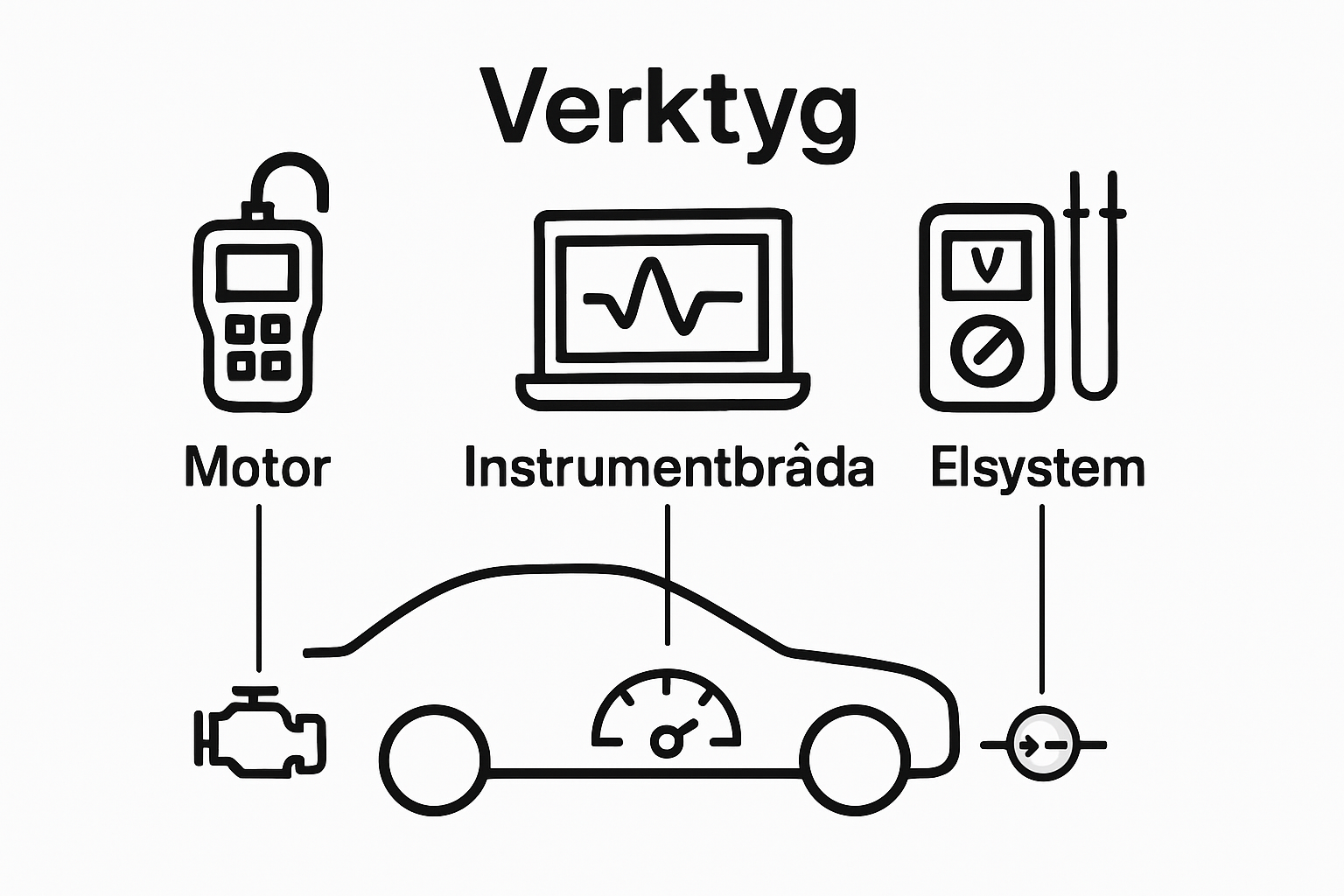
Vehicle diagnostics encompasses several critical components that work together to provide a complete system analysis:
- Fault code readers: Electronic devices that can read and interpret vehicle fault codes
- Diagnostic software: Specialized systems that analyze and present detailed system information
- Electrical measuring instruments: Tools that measure voltage, current, and electrical signals
Performing vehicle diagnostics requires both technical knowledge and the right equipment. It's not just about identifying problems but also about preventing potential future malfunctions through careful analysis and early intervention. By understanding the vehicle's diagnostic system, owners and mechanics can ensure optimal performance and prevent costly repairs.
Why is Vehicle Diagnostics Important for Safety and Performance?
Vehicle diagnostics is not just a technical procedure but a critical safety measure that protects both drivers and passengers. By continuously monitoring and analyzing a vehicle's technical systems, potential risks can be identified and prevented long before they develop into serious problems.
The Safety Perspective in Vehicle Diagnostics
Safety is the primary reason why vehicle diagnostics is crucial. Modern vehicles are complex machines with hundreds of electronic components that interact. A single fault in a critical system can lead to catastrophic consequences. Diagnostic tools act as a preventative protection system that continuously monitors critical vehicle components.
When a potential safety issue is detected, the system generates fault codes that immediately alert the driver or mechanic. Early problem identification can prevent accidents caused by brake systems, steering mechanisms, or electrical systems that risk failing during driving.
Performance and Economic Benefits
In addition to the safety aspect, vehicle diagnostics plays a crucial role in optimizing a vehicle's overall performance and operating economy. Regular diagnostics can identify:
- Inefficient fuel systems that cause unnecessary fuel consumption
- Wear and tear on critical mechanical components before they cause total failure
- Electrical system faults that can affect the vehicle's overall performance
By proactively monitoring and addressing small problems, vehicle owners can avoid costly repairs and ensure a longer lifespan for their vehicles. Diagnostics enables precision in maintenance, which both saves money and improves the overall driving experience.
How Does the Diagnostic System Work in Modern Vehicles?
Modern vehicle diagnostic systems are advanced technological ecosystems that continuously monitor and analyze all of the vehicle's electronic and mechanical components. Unlike older mechanical systems, modern diagnostic systems use sophisticated computer networks that collect, process, and communicate information in real-time.
Electronic Control Systems and Sensor Networks
The heart of a modern vehicle's diagnostic system is the Electronic Control Unit (ECU), which acts as a central intelligence receiving and processing signals from dozens of sensors placed throughout the vehicle. These sensors measure everything from engine temperature and fuel pressure to brake system functionality and tire pressure.
Advanced diagnostic tools enable communication with these complex systems. When a sensor detects a deviation from normal parameters, the system generates a specific fault code that accurately describes the nature and location of the problem.
Communication Protocols and Data Transfer
Modern vehicle systems use standardized communication protocols that ensure efficient information transfer between various electronic components. These protocols include:
- OBD-II (On-Board Diagnostics): A universal system for troubleshooting
- CAN-bus (Controller Area Network): A robust network for data transfer between electronic units
- Manufacturer-specific protocols: Unique systems for specific vehicle brands
Through these advanced systems, diagnostic tools can not only identify problems but also predict potential future faults based on historical data and current vehicle performance patterns.
To clarify some of the most important communication protocols and their purposes in modern vehicles, this table provides an overview of their areas of use.
| Protocol | Purpose | Typical Use Case |
|---|---|---|
| OBD-II | Universal system for troubleshooting | Fault code readers, standardized diagnosis |
| CAN-bus | Robust network for data transfer | Communication between electronic control units |
| Manufacturer-specific | Customized data management for specific brands | Advanced systems, brand-exclusive diagnostics |
| This enables proactive maintenance and preventive measures that can save both time and money for vehicle owners. |
Key Components and Tools in Vehicle Diagnostics
Vehicle diagnostics is a complex system that requires specialized tools and components to effectively analyze and troubleshoot modern vehicle technical systems. Each tool plays a unique role in deconstructing and understanding a vehicle's electronic and mechanical behavior.
Basic Diagnostic Instruments
Fault code readers form the foundation of modern vehicle diagnostics. These devices communicate directly with the vehicle's Electronic Control Unit (ECU) and can interpret specific fault codes generated when a system's parameters deviate from normal values. Modern fault code readers not only offer troubleshooting information but can also display real-time data about the vehicle's performance.
Professional diagnostic tools have evolved into sophisticated systems that can perform comprehensive system analyses. They can diagnose problems in the engine, transmission, brake system, electrical systems, and even advanced safety systems.
Advanced Measuring Instruments and Technologies
Diagnostic tools include a range of precision instruments that enable detailed analysis of a vehicle's technical health:
- Digital multimeters: Measure electrical parameters with extreme precision
- Oscilloscopes: Visualize electrical signals and their variations
- Pressure gauges: Analyze the functionality of hydraulic and pneumatic systems
In addition to physical instruments, software-based diagnostic systems play an increasingly important role.
To help you understand the differences between key components in vehicle diagnostics, the following table organizes them by their main function and area of application.
| Component/Tool | Main Function | Typical Use Case |
|---|---|---|
| Fault code reader | Reads and interprets fault codes from the ECU | Quick troubleshooting of electronic systems |
| Diagnostic software | Analyzes and presents vehicle data | In-depth analysis and reporting |
| Digital multimeter | Measures voltage, current, and resistance | Electrical troubleshooting and system verification |
| Oscilloscope | Visualizes electrical signal variations | Diagnosis of complex electrical faults |
| Pressure gauge | Measures hydraulic or pneumatic pressure | Brake and fuel system check and troubleshooting |
| These systems can perform complex analyses, compare vehicle data with manufacturer specifications, and predict potential future problems based on historical performance. |
The Future of Vehicle Diagnostics and Opportunities for Innovation
Vehicle diagnostics is in the midst of a technological revolution where artificial intelligence, connected systems, and predictive analytics are transforming how we understand and interact with our vehicles. Future diagnostic systems will be more intelligent, proactive, and integrated than ever before.
Artificial Intelligence and Machine Learning
Artificial intelligence represents the most promising development in vehicle diagnostics. Future diagnostic systems will not only identify problems but also predict and prevent them through advanced machine learning algorithms. These systems will analyze historical data, driving patterns, and component wear to create predictive maintenance strategies.
Next-generation diagnostic technologies will enable real-time monitoring of vehicle health. Through continuous data analysis, systems can identify potential faults before they occur, drastically reducing the risk of unplanned stops and costly repairs.
Connected and Intelligent Diagnostic Ecosystems
The future of vehicle diagnostics will be characterized by complete connectivity and intelligent communication between different systems:
- Cloud-based diagnostic platforms: Real-time monitoring and data analysis
- Internet of Things (IoT): Direct communication between vehicle components
- 5G and edge computing: Faster data transfer and processing
These technologies will create a cohesive diagnostic ecosystem where vehicles can proactively communicate their technical needs, enabling more efficient and precise maintenance.

Discover the Next Step in Vehicle Diagnostics – Your Path to Easier Troubleshooting
Does all the technology in your car sometimes feel overwhelming when a fault message suddenly appears? You are not alone. Many car owners and enthusiasts experience the frustration of difficult-to-interpret fault codes and the risk of missing critical safety issues. The article you just read shows how important the right diagnostic tools and knowledge are to save both time, money, and headaches. At Felkodslasare.se, you will find the market's best selection of fault code readers, diagnostic accessories, and step-by-step guides that make it easier to understand and fix precisely the problems the article addresses.

Take control of your car's health today. Start by exploring our range and find the right tools so you can interpret and resolve fault codes yourself before they develop into bigger problems. Let us help you achieve safer and more economical car ownership – don't wait until the fault is a fact!
Frequently Asked Questions
What is vehicle diagnostics?
Vehicle diagnostics is a technical process that identifies and analyzes the electronic and mechanical systems in a vehicle to understand its functionality and any potential problems.
Why is vehicle diagnostics important for safety?
Vehicle diagnostics is crucial for safety as it helps detect potential issues in critical systems, which can prevent accidents and ensure safe driving.
How does the diagnostic system work in modern cars?
Modern diagnostic systems use an electronic control unit (ECU) that communicates with sensors in the vehicle to monitor performance and identify faults through specific fault codes.
What tools are used for vehicle diagnostics?
Common tools include fault code readers, diagnostic software, and electrical measuring instruments used to analyze and measure vehicle components.